

Is Shopify Good for SEO?
Yes, Shopify is excellent for SEO when properly optimized. It provides clean HTML structure, mobile-responsive themes, fast hosting infrastructure, automatic XML sitemaps, SSL certificates, and built-in structured data markup. However, Shopify SEO success requires strategic optimization of content, technical configuration, site architecture, and ongoing performance monitoring. Shopify Plus offers additional SEO advantages including custom checkout URLs, advanced redirect management, higher API limits for automation, and Shopify Scripts for dynamic content.
The Shopify Plus SEO Opportunity
Why Enterprise E-commerce SEO Matters
Organic search represents the highest-ROI customer acquisition channel for most e-commerce businesses. Unlike paid advertising where costs scale linearly with growth, SEO compounds over time—each piece of optimized content, each earned backlink, each technical improvement builds long-term competitive advantage.
For enterprise Shopify Plus stores, the opportunity is especially significant. You have the resources for sophisticated content strategies, the authority to earn high-quality backlinks, the budget for technical excellence, and the inventory depth to target thousands of commercial keywords. The challenge is executing systematic, data-driven SEO that leverages these advantages.
- 53% E-commerce Traffic from Organic
- 2.5x Higher Conversion vs Paid
- 6-12mo Time to Significant Results
Shopify's SEO Strengths and Limitations
Strengths: Shopify's platform architecture is fundamentally SEO-friendly. Fast, globally-distributed hosting ensures excellent page speed. Responsive themes work flawlessly on mobile. Automatic sitemaps and robots.txt make crawlability effortless. Clean, semantic HTML structure helps search engines understand content. Built-in structured data (Product, Organization, Breadcrumb List schemas) provides rich search results.
Limitations: Shopify's closed platform means you can't modify server configuration or database structure. URL structures include "/collections/" and "/products/" prefixes that can't be removed. Blog functionality is basic compared to WordPress. Duplicate content can arise from faceted navigation and variant URLs if not properly managed. Custom redirects require manual configuration or apps.
The key is working within Shopify's strengths while mitigating its limitations through strategic optimization.
Foundation: Technical SEO for Shopify Plus
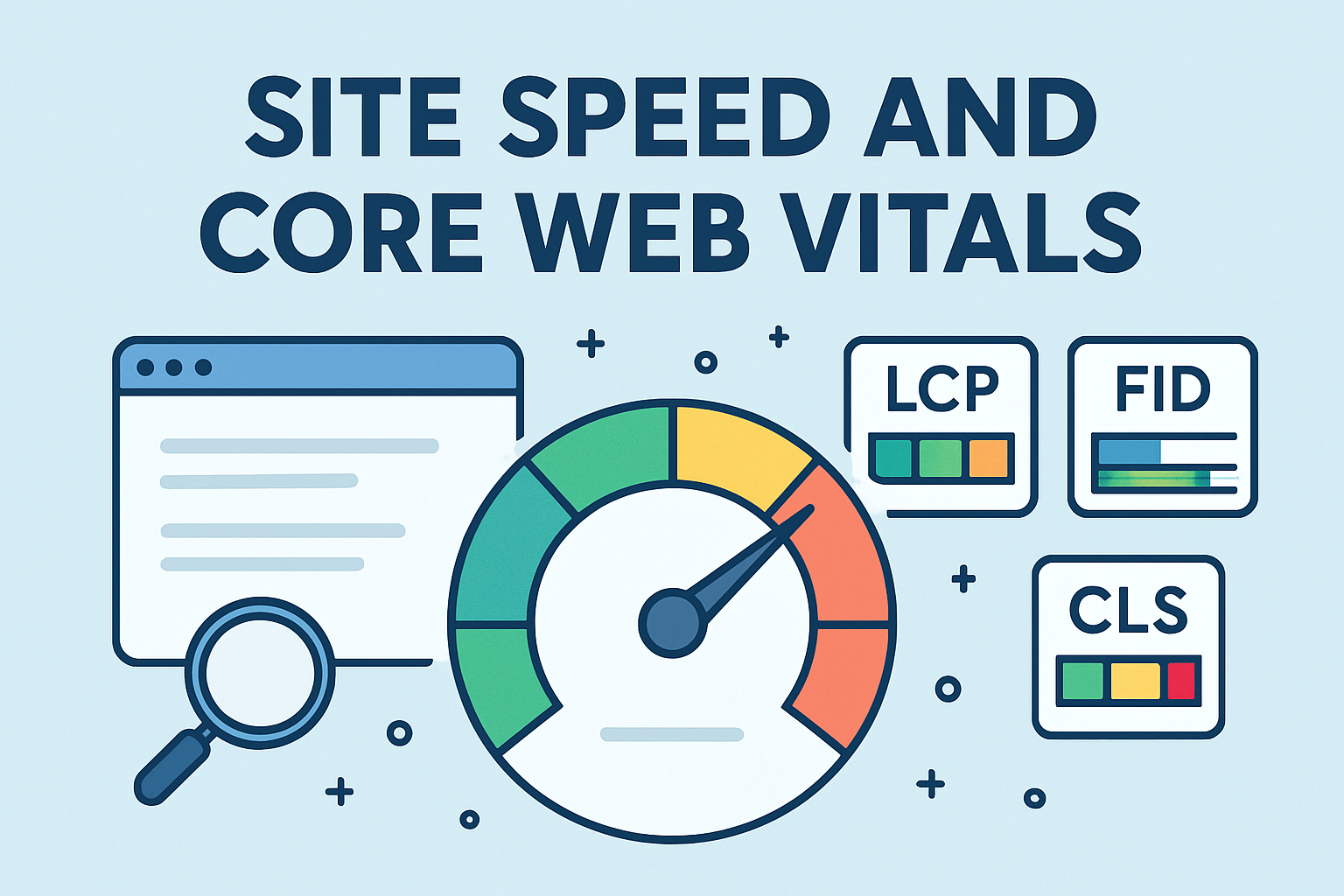
Google's Core Web Vitals (Largest Contentful Paint, First Input Delay, Cumulative Layout Shift) are confirmed ranking factors. Shopify Plus stores must achieve excellent scores to compete in crowded markets.
Optimization Tactics:
- Choose lightweight, performance-optimized themes (not feature-bloated multipurpose themes)
- Implement lazy loading for images below the fold
- Use WebP image format with fallbacks (Shopify supports native WebP conversion)
- Minimize app usage—each app adds scripts that impact performance
- Defer non-critical JavaScript using Shopify's App Blocks architecture
- Use Shopify CDN for all assets (images, CSS, JS automatically distributed globally)
- Implement resource hints (preconnect, dns-prefetch for third-party services)
- Remove unused theme code and consolidate CSS/JS files
Target Metrics: LCP under 2.5 seconds, FID under 100ms, CLS under 0.1. Use Google PageSpeed Insights and Shopify's Theme Inspector to measure and monitor.
Mobile Optimization
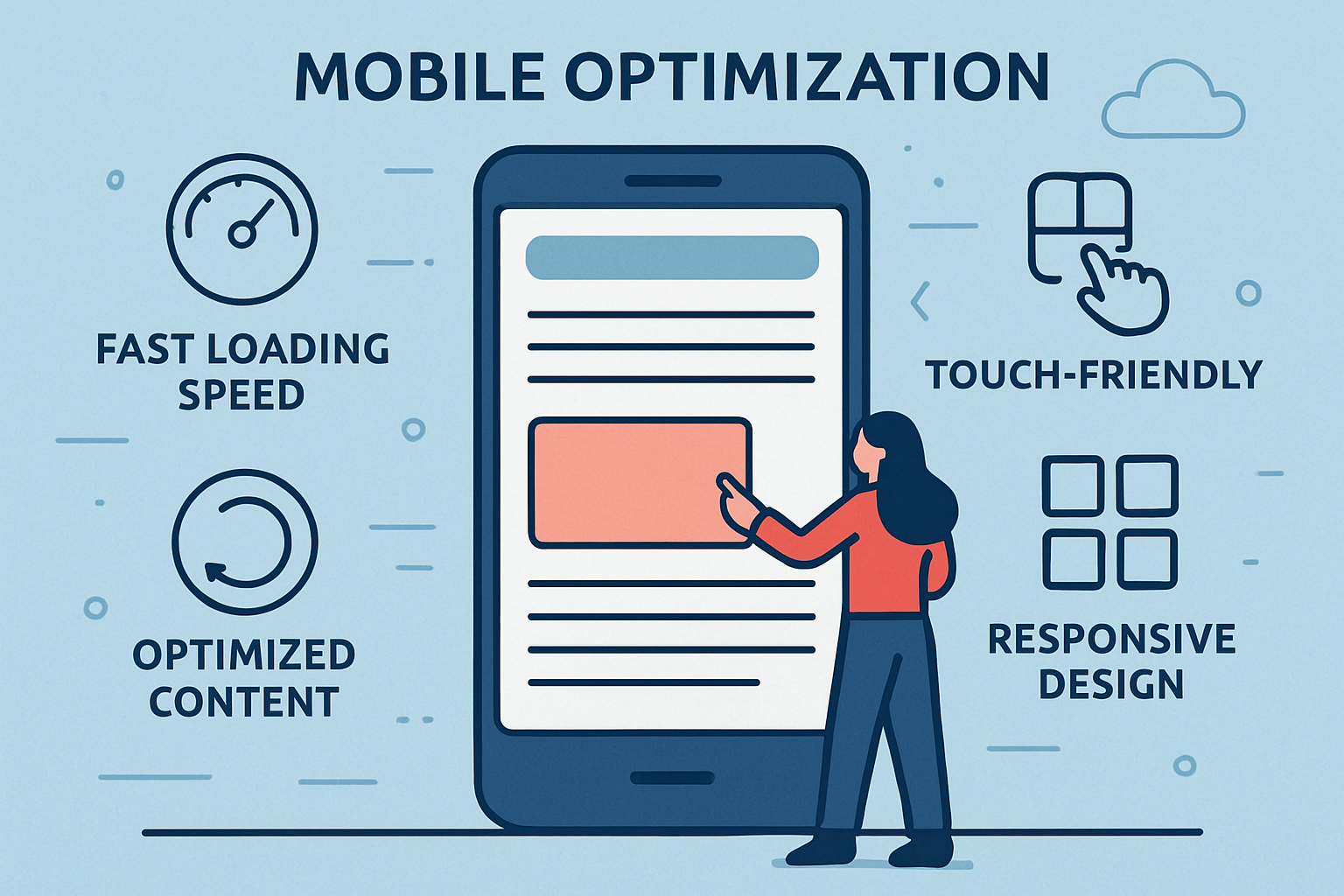
In Hong Kong and APAC markets, 75-85% of e-commerce traffic comes from mobile devices. Mobile-first indexing means Google predominantly uses the mobile version of your site for ranking.
Critical Mobile Optimizations:
- Responsive design with touch-friendly navigation (minimum 44x44px tap targets)
- Fast mobile page load (target under 3 seconds on 4G connections)
- Readable font sizes without zooming (minimum 16px for body text)
- Optimized images for mobile bandwidth (consider separate mobile-optimized images for hero sections)
- Streamlined mobile checkout (Shopify's native checkout is already excellent, but test rigorously)
- Mobile-friendly pop-ups that don't cover content (comply with Google's intrusive interstitial guidelines)
Common Mobile SEO Mistake
Many Shopify stores hide navigation or key content on mobile to "simplify" the experience. This actually hurts SEO—hidden content is devalued by Google. Ensure all important content is accessible on mobile, using progressive disclosure patterns (accordions, tabs) rather than complete hiding.
URL Structure and Site Architecture
Shopify's URL structure is generally SEO-friendly with one key limitation: the "/collections/" and "/products/" prefixes are mandatory. Work within this constraint rather than fighting it.
Best Practices:
- Use descriptive, keyword-rich URL handles (e.g., /products/luxury-automatic-mens-watch-silver not /products/prod-12345)
- Keep URLs short and readable (under 75 characters when possible)
- Use hyphens to separate words (not underscores or spaces)
- Implement proper canonical tags to consolidate duplicate content (Shopify does this automatically for most cases)
- Create a logical collection hierarchy that mirrors user search intent
- Use 301 redirects when changing product/collection handles (Shopify automatically creates these, but verify)
Structured Data and Schema Markup
Shopify automatically includes structured data for products (Product schema with price, availability, reviews), organizations, breadcrumbs, and search functionality. This is excellent, but enterprises should enhance with additional markup.
Advanced Schema Opportunities:
- FAQ Schema: Add to product pages and informational content to capture featured snippets
- How-To Schema: For product guides and tutorials that show search result enhancements
- VideoObject Schema: If you include product videos, markup improves video search visibility
- AggregateRating: Ensure review apps properly implement this schema for star ratings in search results
- Organization/LocalBusiness: Enhanced for multi-location retailers with store finder functionality
Use Google's Rich Results Test to validate schema implementation and preview how your results appear in search.
Content Strategy: The SEO Growth Engine
Keyword Research for E-commerce
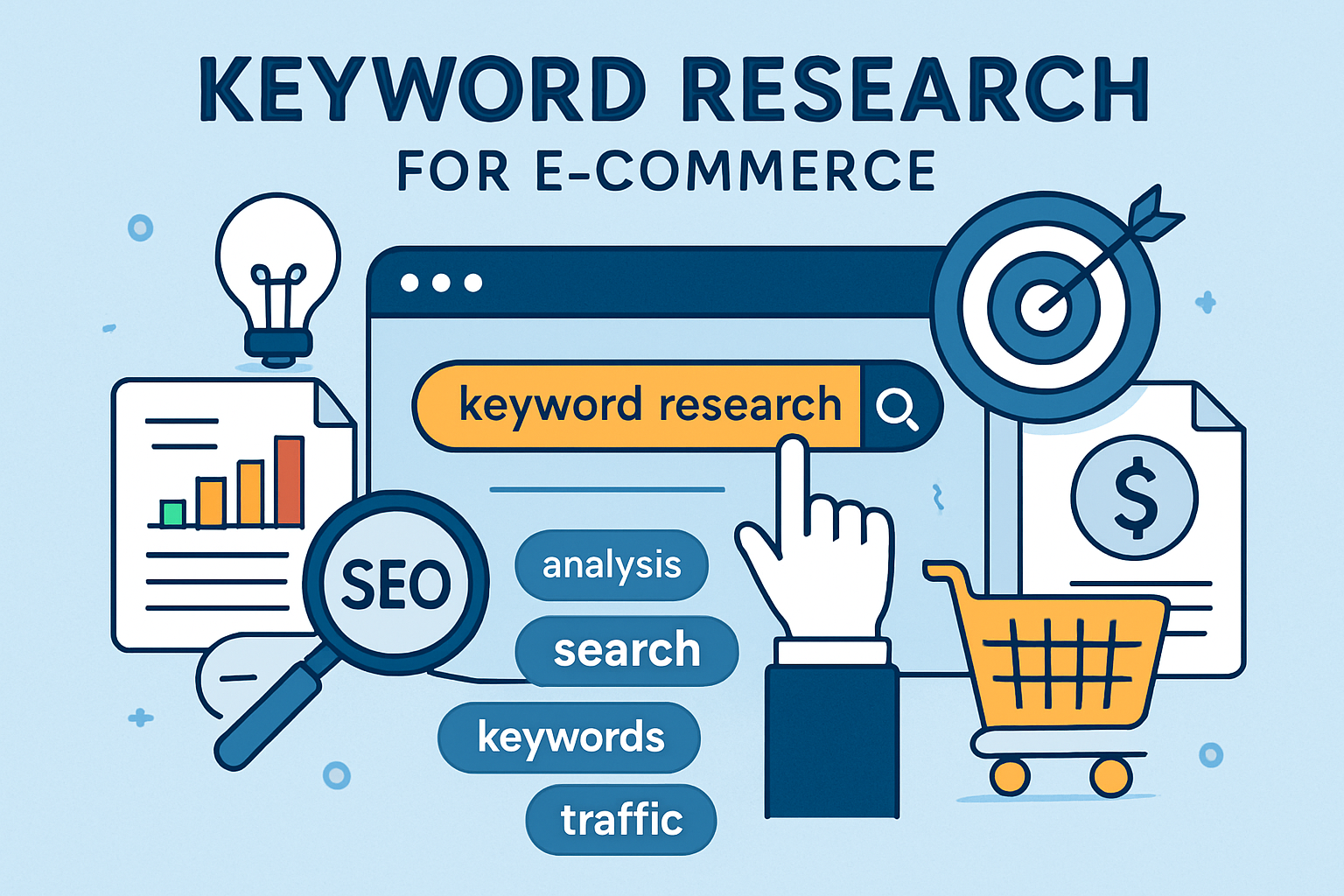
Enterprise keyword research goes beyond simple keyword tools. It requires understanding customer search intent, competitive landscape, and business priorities.
Keyword Categories for Shopify Stores:
- Product Keywords: "[brand] [product type]" (e.g., "rolex submariner hong kong") – highest commercial intent
- Category Keywords: "[product type] [qualifier]" (e.g., "automatic watches for men") – broad discovery
- Comparison Keywords: "[product a] vs [product b]" (e.g., "omega vs rolex") – late-stage research
- Informational Keywords: "how to [task]" or "best [product] for [use case]" (e.g., "how to choose a watch winder")
- Local Keywords: "[product] [location]" (e.g., "luxury watch dealer hong kong") – geo-specific searches
Research Process:
- Start with business goals—which products have highest margins? Which need volume?
- Analyze competitor rankings using tools like Ahrefs, SEMrush, or DataForSEO Labs
- Identify gaps where competitors rank but you don't
- Prioritize by search volume, keyword difficulty, and business value
- Map keywords to content types (product pages, collection pages, blog posts, landing pages)
Product Page Optimization
Product pages are your primary revenue drivers. Each page should be optimized as a standalone SEO asset targeting specific keywords.
Product Page SEO Checklist:
- Title Tag: Include primary keyword, brand (if relevant), key differentiator. Keep under 60 characters. Example: "Rolex Submariner 116610LN - Certified Pre-Owned | [Brand]"
- Meta Description: Compelling 150-160 character summary with keyword, unique value proposition, and call-to-action
- Product Description: Unique 300+ words (never manufacturer descriptions). Include keywords naturally, focus on benefits over features, answer common questions
- Images: High-quality product images with descriptive file names (rolex-submariner-front-view.jpg not IMG_1234.jpg) and keyword-rich alt text
- Heading Structure: Single H1 (product title), H2 for sections (Specifications, Features, Sizing), H3 for subsections
- Internal Links: Link to related products, relevant collection pages, and supporting blog content
- Reviews: Implement customer reviews (Shopify Product Reviews app or third-party solution) for social proof and fresh content
- FAQs: Answer common product questions in structured format with FAQ schema markup
Product Description Strategy
For stores with hundreds or thousands of SKUs, writing unique descriptions is resource-intensive. Prioritize high-value products first (top 20% by revenue), then scale with templates that allow customization of key differentiators. Use AI writing tools (ChatGPT, Jasper) to accelerate, but always edit for brand voice and accuracy.
Collection Page Optimization
Collection pages target broader category keywords and serve as vital internal linking hubs. They deserve equal SEO attention as product pages.
Collection Page Best Practices:
- Unique Content: Add 300-500 words of category description at top or bottom of page. Discuss category overview, buying considerations, popular products
- Keyword Optimization: Target category keyword in URL, title tag, H1, and naturally throughout content
- Faceted Navigation: Use Shopify's metaobjects for filters, implement canonical tags to consolidate filtered views, add noindex to parameter combinations that create thin content
- Internal Linking: Link to subcategories, related collections, and relevant blog content
- Load More vs Pagination: Use pagination for SEO (allows Google to crawl all products) with rel="next" and rel="prev" tags, or "Load More" with proper implementation
Content Marketing and Blogging
Shopify's built-in blog is surprisingly powerful for SEO. It enables you to target informational keywords, build topical authority, create internal linking opportunities, and attract backlinks.
Enterprise Blog Strategy:
Content Types That Drive Results:
- Buying Guides: "Complete Guide to Buying [Product Category]" targets early-stage research, builds authority
- Comparison Articles: "[Product A] vs [Product B]: Which Should You Buy?" captures comparison searches
- How-To Guides: "How to [Task Related to Product]" provides value, attracts backlinks
- Industry News: Timely content about trends, new releases, market updates demonstrates expertise
- Case Studies: Customer success stories (with proper names/companies redacted if needed) build credibility
Publishing Frequency: For enterprise stores, target 4-8 high-quality articles monthly (1-2 per week). Quality trumps quantity—one excellent 2,000-word guide outperforms four mediocre 500-word posts.
International SEO for APAC Markets
Multi-Language and Multi-Currency Implementation
Serving Hong Kong, Singapore, and broader APAC requires sophisticated international SEO. Shopify Markets (available on Plus) provides excellent infrastructure, but implementation requires careful configuration.
Language Targeting Strategy:
- Hreflang Tags: Implement properly to indicate language/region versions (en-HK, zh-HK, en-SG, etc.)
- URL Structure: Use Shopify Markets subdirectory approach (/en-hk/, /zh-hk/) for language/region targeting
- Translated Content: Never use machine translation alone—hybrid approach of MT + human editing ensures quality and cultural relevance
- Localized Keywords: Research keywords in target languages—direct translation often misses how people actually search
- Local Domain Authority: Build backlinks from regional websites (.hk, .sg, .my domains) to improve local relevance
China Market Considerations
Selling to mainland China requires special SEO strategy. Standard Shopify hosting performs poorly due to the Great Firewall, and Google is blocked.
China SEO Approach:
- Optimize for Baidu (different algorithm, requires Chinese hosting and ICP license for best results)
- Consider WeChat mini-program as primary channel (not traditional website)
- Partner with Chinese marketplaces (Tmall Global, JD Worldwide) for initial market entry
- Work with agencies specializing in China digital marketing (complex regulatory environment)
Measurement and Continuous Optimization
Key SEO Metrics to Track
Enterprise SEO requires rigorous measurement and data-driven optimization. Track these metrics monthly at minimum:
| Metric | Tool | Target/Benchmark |
|---|---|---|
| Organic Traffic | Google Analytics 4 | MoM growth 10-15% |
| Keyword Rankings | Ahrefs, SEMrush | Top 10 for 50+ commercial keywords |
| Organic Conversion Rate | GA4 | 2-3% for e-commerce |
| Organic Revenue | GA4 E-commerce | 30-50% of total revenue |
| Page Speed (Core Web Vitals) | PageSpeed Insights | LCP <2.5s, FID <100ms, CLS <0.1 |
| Backlink Growth | Ahrefs, Moz | 10-20 quality links/month |
| Domain Authority | Moz, Ahrefs DR | Steady growth (competitive benchmark) |
| Indexed Pages | Google Search Console | 80%+ of quality pages indexed |
SEO Reporting for Stakeholders
Executive stakeholders care about business outcomes, not vanity metrics. Structure monthly SEO reports around:
- Revenue Attribution: Organic revenue growth and contribution to overall revenue
- Keyword Growth: Number of page-one rankings and visibility expansion into new categories
- Competitive Position: Share of voice vs. competitors in target keyword categories
- Traffic Quality: Organic conversion rate, bounce rate, pages per session
- Strategic Progress: Content published, backlinks earned, technical improvements implemented
Continuous Optimization Process
SEO is never "finished"—it requires ongoing optimization based on performance data:
- Monthly: Analyze top-performing and underperforming content, identify optimization opportunities, update content with fresh information
- Quarterly: Conduct technical SEO audits, review site speed and Core Web Vitals, analyze competitive movements, adjust strategy based on results
- Annually: Comprehensive keyword research refresh, site architecture review, backlink profile audit, international expansion planning
Common Shopify SEO Mistakes to Avoid
1. Duplicate Content from Product Variants: Shopify creates separate URLs for product variants (color, size) by default. Use canonical tags to consolidate these to the main product page. Configure in theme code or use apps like "SEO Manager."
2. Thin Content on Collection Pages: Many stores launch collection pages with just product grids and no descriptive content. Add unique 300-500 word category descriptions for SEO value.
3. Ignoring Image Optimization: Large, unoptimized images kill page speed. Use Shopify's automatic image optimization, implement lazy loading, and provide descriptive alt text for all images.
4. Over-Reliance on Apps: Each app adds scripts that impact site speed. Audit apps quarterly, remove unnecessary ones, prioritize apps using modern App Blocks architecture.
5. Neglecting Internal Linking: Strong internal link structures help Google discover content and pass authority. Link from high-authority pages (homepage, popular products) to new products and content.
6. Generic Product Descriptions: Using manufacturer descriptions creates duplicate content across thousands of e-commerce sites. Write unique descriptions or use templates with customizable elements.
7. Ignoring Mobile Experience: Testing on desktop only misses critical mobile usability issues. Use Google's Mobile-Friendly Test and real device testing for quality assurance.
8. No Content Strategy: Relying solely on product pages limits keyword targeting. Implement consistent blog publishing to target informational and comparison keywords.
Shopify SEO Success Timeline
Setting realistic expectations is critical for enterprise SEO investment. Here's a typical progression:
Months 1-3 (Foundation Phase): Technical optimization, keyword research, initial content creation. Minimal traffic growth but essential groundwork. Focus on eliminating technical issues, optimizing existing pages, and building content pipeline.
Months 4-6 (Early Results): First signs of ranking improvements for long-tail keywords. 20-30% traffic increase for optimized pages. Continued content publishing, early link building results. May see 100-200 keywords in positions 11-50.
Months 7-12 (Acceleration): Significant keyword rankings (50+ first-page positions). 100-200% traffic growth from baseline. Organic revenue becomes meaningful channel (20-30% of total). Link building compounds, domain authority increases.
Months 13-24 (Maturity): Dominant positions for target keywords. Organic traffic as primary channel (40-50% of revenue). Lower ongoing optimization costs per acquisition. Focus shifts to defending positions and expanding into adjacent categories.
Patient Capital Wins SEO
SEO requires 6-12 months for significant results. Businesses expecting immediate returns will be disappointed. The advantage: once established, SEO provides sustainable, compounding returns that don't scale linearly with investment like paid advertising. Enterprises with patient capital and long-term thinking win SEO, while short-term thinkers overpay for paid traffic indefinitely.
Ready to Build Organic Search Dominance?
CLEARgo's SEO team has driven over HK$2M in organic revenue for Shopify Plus clients across APAC. We combine technical excellence, content strategy, and link building into systematic programs that deliver measurable ROI.
60-minute technical audit • Keyword opportunity analysis • Competitive benchmarking • Custom SEO roadmap • No obligation
Conclusion: SEO as Sustainable Competitive Advantage
SEO is the only customer acquisition channel that gets cheaper and more effective over time. Every piece of content, every technical improvement, every earned backlink becomes a permanent asset in your marketing infrastructure. While competitors pay increasing costs for paid advertising, your organic traffic grows month after month with declining marginal costs.
The best time to start Shopify SEO was at launch. The second best time is today. The opportunity window closes as competitors invest in SEO—first-mover advantage in your category is available right now for businesses willing to commit to the systematic, long-term approach that generates sustainable organic growth.